
Top Skills Every Modern HR Professional Must Master
Building a Successful Career in Human Resources
Introduction
HR professional skills
Human Resources has transformed more in the last decade than in the previous fifty years.
Today’s HR professionals must do far more than manage payroll or oversee hiring — they must analyse data, support complex workforce needs, champion organisational culture, and drive strategic decisions that impact business performance.
At Recruitment Professionals, we work closely with organisations across industries and see firsthand what makes an HR professional truly exceptional in the modern workplace. Below are the essential skills every HR leader or practitioner must master to stay relevant and effective.
1. Strategic Thinking
Modern HR is no longer administrative — it’s strategic.
HR professionals must think beyond day-to-day tasks and understand how people decisions influence business outcomes.
This includes:
-
Translating business goals into HR initiatives
-
Identifying skill gaps and workforce needs
-
Forecasting hiring and training requirements
-
Supporting long-term growth.
Strategic HR professionals contribute directly to revenue, culture, and innovation.
2. Digital & HR Technology Competence
Technology sits at the core of modern HR.
From applicant tracking systems to payroll automation and AI-powered analytics, HR professionals must be comfortable using digital tools.
Key areas include:
HRIS / HRMS systems (Cobra HRM, BambooHR, Workday, SAP SuccessFactors, etc.)
Data dashboards and reporting
Automated recruitment tools
Employee engagement platforms
Online onboarding and learning systems
Knowing how to use technology effectively allows HR teams to work faster, smarter, and with greater accuracy.
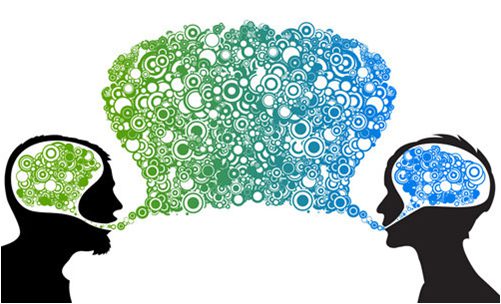
3. Communication & Interpersonal Skills
Very important HR professional skills
HR is a people-centric profession, making communication one of the most valuable skills.
HR professionals must be able to:
Deliver clear and confidential guidance
Resolve conflicts fairly
Communicate policies in simple terms
Influence and support leaders
Build trust and rapport across departments
How HR communicates can shape employee morale, performance, and workplace culture.
4. Data Literacy & HR Analytics
Data-driven HR is the future.
Modern HR professionals must understand how to gather, interpret, and act on workforce data such as:
Recruitment metrics
Retention trends
Employee performance indicators
Learning & development outcomes
Engagement and satisfaction results
Data helps HR teams make informed decisions, identify problems early, and measure the impact of their strategies.
5. Emotional Intelligence (EQ)
The rise of hybrid work, mental health awareness, and complex employee needs makes emotional intelligence essential.
High-EQ HR professionals:
Listen empathetically
Understand emotional signals
Manage sensitive situations calmly
Build stronger workplace relationships
Support employee wellbeing
EQ is critical when managing grievances, performance issues, or conflict.
6. Adaptability & Change Management
Workplaces evolve quickly — and HR is expected to lead the change.
HR professionals must be skilled in:
Managing organisational transitions
Supporting teams during restructuring
Introducing new technologies or policies
Navigating cultural shifts
Leading communication through change
Adaptability ensures HR can guide the organisation through uncertainty.
7. Employment Law & Compliance Knowledge
One of HR’s most fundamental responsibilities is protecting the organisation legally and ethically.
HR professionals need strong knowledge of:
Employment law
Workplace regulations
Fair hiring practices
Health & safety requirements
Disciplinary processes
Contract and policy frameworks
Compliance protects employees, reduces risk, and maintains fair practices.
8. Talent Acquisition & Employer Branding
Attracting great talent requires more than posting a job ad.
Modern HR professionals must understand:
Targeted recruitment strategies
Employer brand positioning
Skills-based hiring
Candidate experience optimisation
Workforce planning
Strong talent acquisition supports the organisation’s long-term successm and this is why it is strong HR professional skills
9. Cultural Leadership
HR plays a crucial role in shaping company culture.
This includes:
Defining and promoting organisational values
Supporting inclusivity and diversity
Improving employee experience
Building team connection and trust
Encouraging accountability and collaboration
A strong culture strengthens retention and performance.
10. Coaching & Leadership Support
HR professionals are often trusted advisors to employees and leaders.
They must be able to:
Guide managers through people challenges
Coach employees on performance and growth
Mediate difficult conversations
Provide leadership development support
Being a reliable advisor elevates HR’s impact and credibility.
Conclusion
The modern HR professional is a strategist, communicator, analyst, coach, and culture builder all at once.
Mastering these skills allows HR practitioners to create workplaces where people thrive — and businesses grow.
At Recruitment Professionals, we help HR teams develop these capabilities and support companies in building strong, future-ready HR functions.
Are you an aspiring HR professional looking to build a successful career?
Contact Recruitment Professionals for HR career mentoring, skills development, and expert consultancy designed to help you thrive.