

The Role of HR in Building High-Performance Teams.
Introduction
The Role of HR in Building High-Performance Teams.
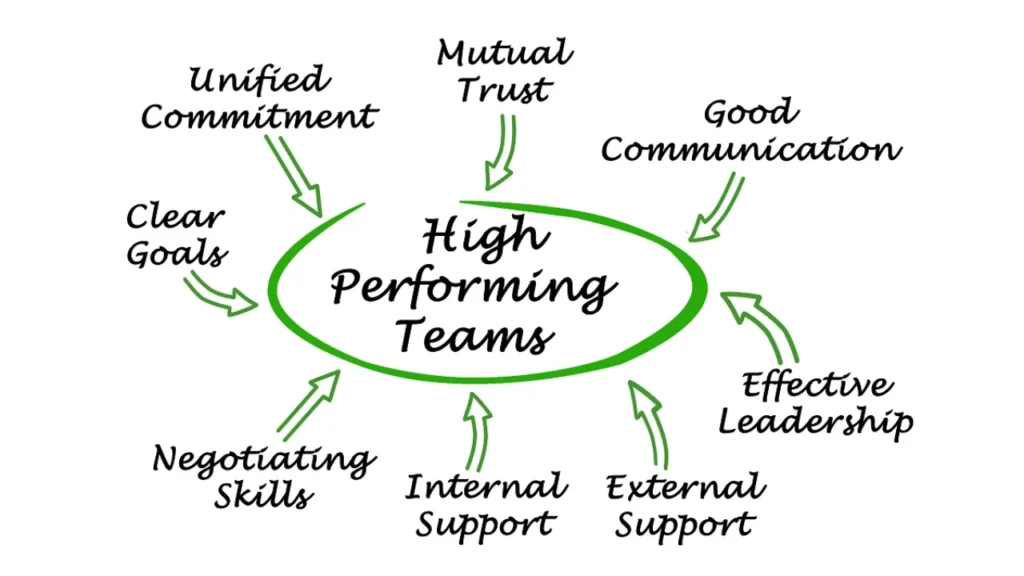
Every successful organisation is powered by high-performance teams — groups of people who collaborate effectively, innovate consistently, and drive exceptional business results.
But high-performance doesn’t happen by accident. It is shaped, nurtured, and sustained by a strong HR function with clear strategy and purpose.
At Recruitment Professionals, we’ve seen how the right HR approach can transform average teams into high-performing units that thrive in fast-moving, competitive environments.
Here’s how HR plays a pivotal role in developing and maintaining teams that deliver outstanding performance.
1. Hiring the Right Talent from the Start
High-performance teams begin with strategic recruitment.
HR ensures that organisations bring in individuals who not only have the right skills but also fit the company culture, values, and long-term direction.
Key HR contributions include:
Developing accurate job descriptions
Using competency-based interviewing
Applying structured selection processes
Identifying high-potential candidates
Ensuring culture fit and diversity balance
When the right people join the team, performance foundations are immediately stronger.
2. Creating a Strong Onboarding Experience
Effective onboarding is essential for building confidence, engagement, and clarity from day one.
HR ensures new employees integrate smoothly, understand their role, and feel part of the organisation’s mission.
A strong onboarding programme includes:
Clear expectations and goals
Introductions to the company culture
Technology and workflow training
Team connections and mentorship
Early performance guidance
Proper onboarding significantly improves retention and productivity.
3. Defining Clear Roles, Goals, and Expectations
High-performance teams know exactly what success looks like.
HR works with leaders to create clarity around:
Role responsibilities
Performance objectives (KPIs & OKRs)
Team goals
Behavioural expectations
Collaboration guidelines
When employees understand the “why” and “how” behind their work, they perform with purpose and direction.
4. Developing Continuous Learning and Skill Growth
A high-performing team must continually evolve.
HR ensures ongoing development by:
Providing training opportunities
Offering leadership development pathways
Supporting upskilling and certification
Facilitating cross-functional learning
Encouraging knowledge sharing
Investing in people ensures teams remain agile, innovative, and future-ready.
5. Promoting a Culture of Collaboration and Trust
HR plays a critical role in shaping culture — the invisible force behind team behaviour.
HR encourages collaborative cultures by:
Promoting psychological safety
Supporting open communication
Facilitating team-building initiatives
Implementing feedback systems
Encouraging respect and inclusion
Teams with trust, transparency, and psychological safety consistently outperform those without it.
6. Building Strong Leadership Capabilities
Strong teams depend on strong leaders.
HR is responsible for developing supervisors and managers who can motivate, guide, and support their teams effectively.
HR supports leaders by:
Providing coaching skills training
Delivering leadership development programmes
Supporting managers in difficult conversations
Guiding leaders in performance and people management
Encouraging servant leadership and emotional intelligence
Empowered leaders elevate team performance dramatically.
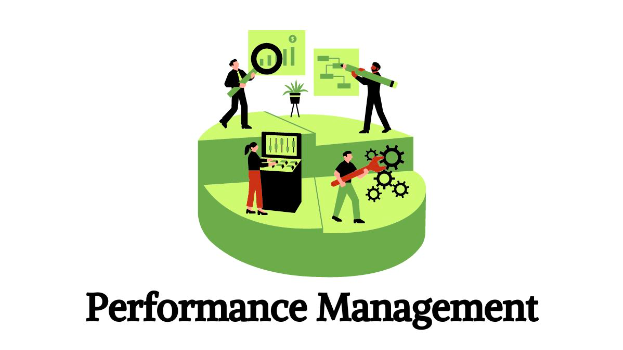
7. Implementing Fair and Effective Performance Management
Performance management isn’t about annual reviews — it’s about continuous improvement.
HR builds systems that include:
Regular performance check-ins
Constructive feedback frameworks
Recognition and rewards
Clear career pathways
Data-driven performance insights
Fair and transparent performance processes increase motivation, accountability, and engagement.
8. Enhancing Employee Engagement and Wellbeing
High-performance teams are not just productive — they’re healthy and engaged.
HR supports wellbeing by:
Providing mental health resources
Encouraging work-life balance
Offering flexible work arrangements
Monitoring burnout signals
Conducting engagement surveys
Healthy employees deliver sustainable high performance.
9. Fostering Diversity, Equity, and Inclusion (DEI)
Diverse teams outperform homogeneous teams in creativity, innovation, and problem-solving.
HR ensures DEI principles are embedded through:
Inclusive hiring practices
Bias-free policies
Diversity training
Equal growth opportunities
Celebration of different perspectives
DEI strengthens team performance and organisational culture.
10. Resolving Conflict and Strengthening Team Dynamics
Conflict is inevitable — but how teams handle it determines their performance.
HR assists by:
Providing conflict resolution training
Mediating disputes objectively
Supporting team communication
Encouraging accountability
Reinforcing shared values and behaviours
Healthy conflict resolution builds stronger, more resilient teams.
Conclusion
High-performance teams don’t happen by luck — they are built intentionally, strategically, and consistently through HR leadership.
From hiring to development, communication to culture, HR plays a central role in shaping teams that excel. When HR and leadership work together, organisations achieve higher productivity, stronger engagement, and long-term success.
At Recruitment Professionals, we partner with organisations to build high-performance cultures, strong leadership capability, and future-ready teams.
Are you an aspiring HR professional looking to build a successful career?
Contact Recruitment Professionals for HR career mentoring, skills development, and expert consultancy designed to help you thrive.